
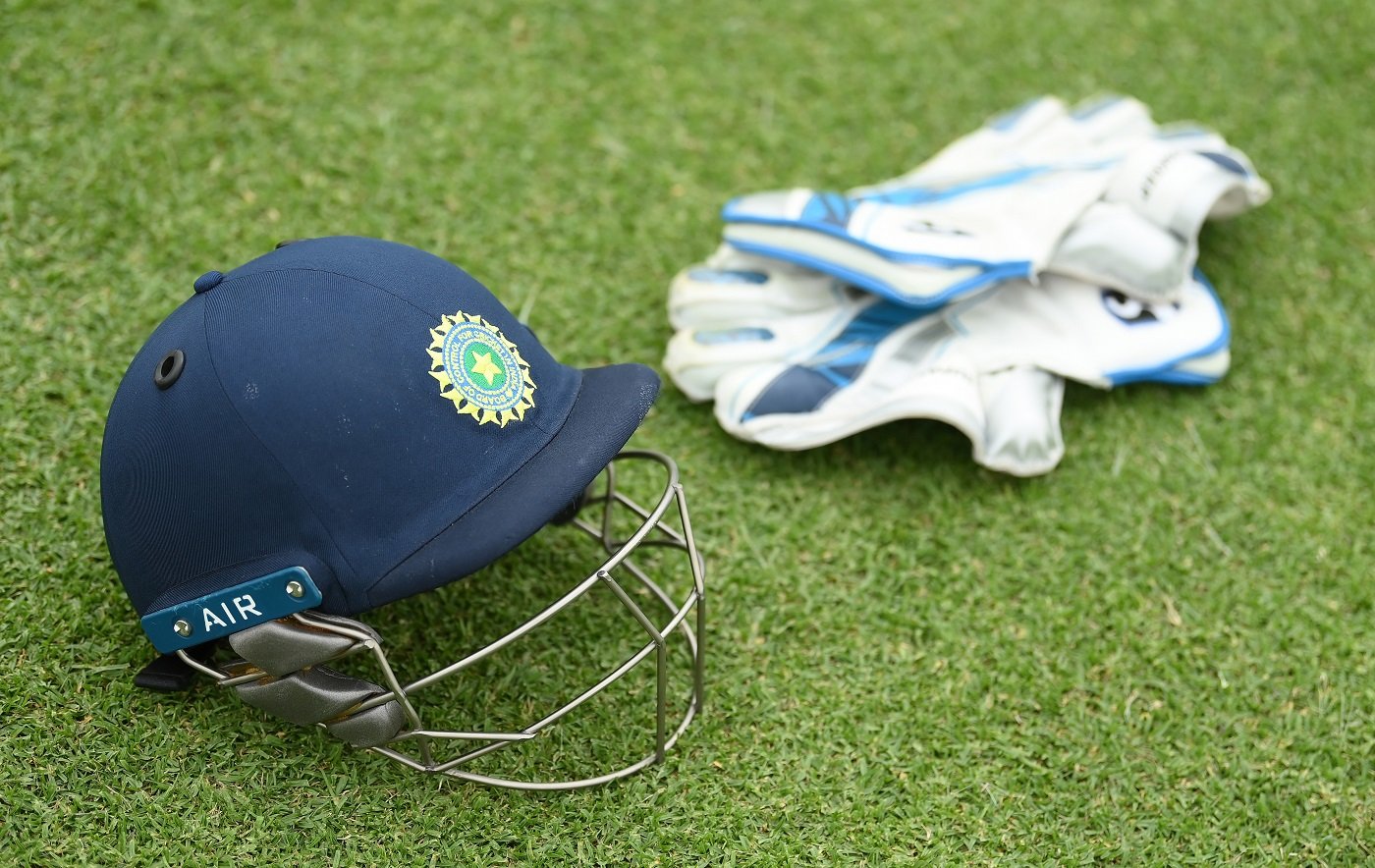
Rohit Yadav, a promising talent from the India Under-19 cricket team, has been handed a two-year ban due to discrepancies regarding his age. This decision comes from the Cricket Association of Bengal (CAB) as part of a broader crackdown on age-related fraud in cricket.
The CAB's investigation revealed that Yadav's official age did not match the records maintained by the association, a serious violation in a sport where age categories are strictly enforced. This ban not only affects Yadav's immediate playing prospects but also raises questions about the integrity of age verification processes in youth cricket.
In a significant move, the CAB has also imposed bans on 64 other players for similar reasons. Among those affected is Ravi Kumar, a former India Under-19 World Cup winner, highlighting the widespread nature of the issue. The CAB's action underscores its commitment to maintaining fair play and transparency within the sport.
The implications of these bans extend beyond individual players; they reflect a growing concern in cricket about the authenticity of player ages, especially in youth competitions. Age fraud has been a persistent problem in cricket, with numerous cases emerging over the years, prompting governing bodies to tighten regulations and enforce stricter penalties.
For young cricketers, the repercussions of such bans can be severe, impacting their development and future opportunities in the sport. Players at this level often rely on their performances in age-group tournaments to secure spots in professional teams, and a ban can derail promising careers.
As the cricketing world continues to grapple with the issue of age discrepancies, the CAB's decisive action serves as a warning to players and associations alike. It reaffirms the importance of adhering to regulations designed to ensure fair competition and protect the integrity of the game.

Leave a Comment