
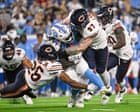
As the NFL gears up for a new season starting this Wednesday, a troubling study has surfaced, shedding light on the severe health risks associated with football. The research highlights the alarming prevalence of chronic traumatic encephalopathy (CTE), a degenerative brain condition linked to repeated head trauma, among former players.
The study, published in the British Medical Journal, analyzed the brains of 235 former NFL players who passed away between 2016 and 2021. Of these, a staggering 215 exhibited signs of CTE, indicating that approximately 24.5% of all former players who died during that timeframe were affected by this debilitating condition. Researchers suggest that the true prevalence of CTE among these players could range from a minimum of 24.5% to as high as 97.7%, underscoring the urgent need for further investigation into the long-term effects of playing football.
The authors of the study, Nathan Kalman-Lamb, an Associate Professor of Sociology at the University of New Brunswick, and Derek Silva, an Associate Professor of Sociology and Criminology at King’s University College at Western University, emphasize the critical implications of these findings. They argue that the NFL, as the most popular sport in America, must confront the reality of these health risks and consider the responsibilities it bears towards its players.
This research comes at a time when the NFL has faced increasing scrutiny over player safety, particularly regarding head injuries. Despite numerous efforts to implement safety protocols and rule changes aimed at reducing the risk of concussions, the sport continues to grapple with the long-term consequences of head trauma. As fans prepare to watch their favorite teams, the question of whether to support a sport that poses such significant health risks looms larger than ever.
As the new season unfolds, the conversation surrounding CTE and its impact on players is expected to intensify. Advocates for player safety are urging fans to reconsider their support for a league that has historically prioritized entertainment over the well-being of its athletes. The findings of this study serve as a stark reminder of the potential cost of football fandom, compelling both fans and the league to reflect on the implications of continuing to watch a sport that may contribute to life-altering health issues.
With the NFL season set to commence, the spotlight will undoubtedly remain on the ongoing debate about player safety and the long-term effects of CTE. As more studies emerge, it becomes increasingly clear that the conversation surrounding the health of football players is far from over.



Leave a Comment