
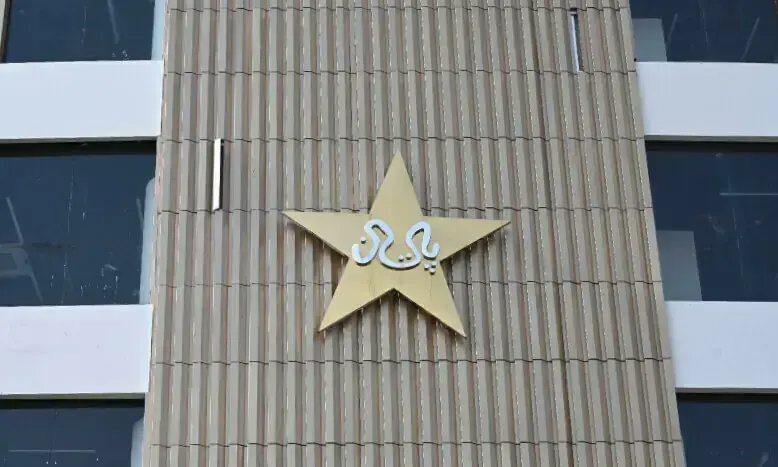
In a move that reflects its ongoing efforts to refine the domestic cricket framework, the Pakistan Cricket Board (PCB) has announced a significant overhaul of the calendar for the 2026-27 season. This latest revision includes the introduction of a two-tier first-class Quaid-i-Azam Trophy, along with adjustments to the limited-overs pathway as the cricketing world prepares for the 2027 World Cup.
The upcoming season will see the premier domestic competition feature 20 regional teams, divided into two divisions: Gold and Silver. The Gold division will consist of eight teams, while 12 teams will compete in the Silver division, both of which will retain first-class status. This change marks a notable shift from the previous season, where only 10 regional teams participated in first-class cricket within the Quaid-i-Azam Trophy, with an additional 12 teams playing in the non-first-class Hanif Mohammad Trophy.
Previously, in the 2024-25 season, the PCB allowed all 16 regions to enter 18 teams into the Quaid-i-Azam Trophy, with Karachi and Lahore fielding two teams each and the other regions contributing one team. Under the new structure, Sialkot and Peshawar will also be able to field two teams, joining Karachi and Lahore as the only regions with multiple first-class sides.
The top eight teams from the last edition will compete in the Gold division, each playing seven matches before the top two teams face off in the final. The Silver division will be divided into two groups of six, with the winners of each group advancing to the final. The champion of the Silver division will earn promotion to the Gold division for the 2027-28 season, while the bottom teams in the Gold division will face relegation.
In a further enhancement, the PCB has upgraded the Hanif Mohammad Trophy to first-class status, renaming it the Quaid-i-Azam Trophy Silver. However, despite the impending ICC World Cup in 2027, the board has not reinstated a regional National One-day Cup, marking the third consecutive season without this competition. Instead, a four-team List-A tournament will be organized, with teams selected by the PCB, alongside an eight-team National Departmental One-day Cup.
This ongoing inconsistency in the domestic structure has raised concerns, especially with January 2027 lacking domestic cricket, a period that could have served as an ideal window for the National One-day Cup. Additionally, the PCB continues to prioritize school cricket over club cricket, expanding its Talent Hunt Programme to 1,200 schools across 100 districts, while omitting a National Inter-Club Championship from the calendar.
While national inter-club tournaments were held sporadically in the past, the PCB's frequent changes to the domestic system have hindered the establishment of a consistent long-term policy. Clubs affiliated with the PCB contribute significant registration fees annually, yet they have not been given the same focus as schools.
The National T20 Cup will also be divided into Gold and Silver divisions, and departmental cricket will feature competitions such as the President’s Cup Grade-I and President’s Trophy Grade-I, along with Grade-II Gold and Silver tournaments. In a positive development, the PCB has revived the National Under-19 three-day championship after a three-year hiatus, with 20 regional U-19 teams also set to compete in a 50-over tournament, while U-15 and U-17 competitions will continue as planned.
Osama Sharoon, the PCB's senior general manager of domestic cricket operations, expressed optimism about the new season, stating that it would create ample opportunities across the domestic circuit. "With all of our 16 regions playing first-class cricket, departmental cricket continuing to be on the rise, and red-ball three-day matches arranged for U19 players, we have created opportunities across the domestic circuit," he noted. The season is scheduled to run from August 11 to June 15.

Leave a Comment