
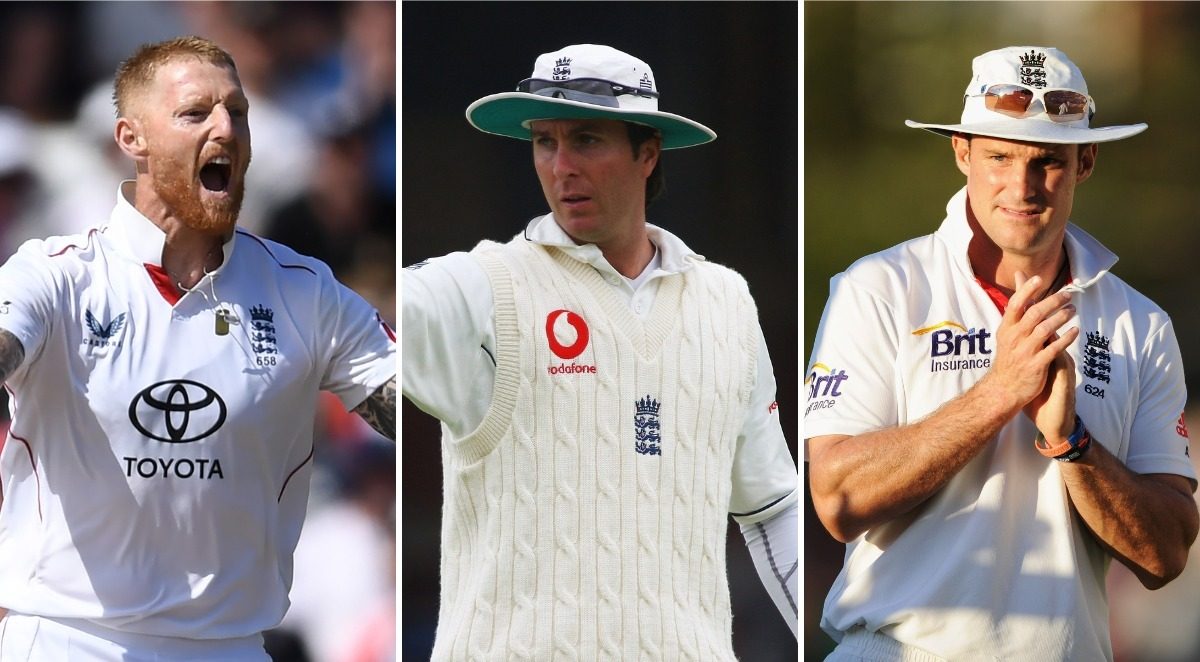
In the realm of international Test cricket, the role of a captain is pivotal, influencing not just the outcome of matches but also the direction of a team's development. This article ranks every player who has captained England in Test matches during the 21st century, including both full-time leaders and stand-in captains. The rankings are not solely based on win percentages but also consider the impact each captain had during their tenure.
At the bottom of the list is Michael Atherton, who captained England in two Tests during the 2001 Ashes series. Stepping in for the injured Nasser Hussain, Atherton faced a daunting challenge. England had already lost the series opener, and they suffered two defeats under his leadership, leaving him with a winless record. His willingness to take on the role after others declined is commendable, but the heavy losses to Australia overshadowed his brief captaincy.
Next is Ollie Pope, who served as a stand-in captain in five Tests from 2024 to 2025 while Ben Stokes was sidelined due to injury. Pope led England to three victories, including a series win against Sri Lanka, but his tenure also included a disappointing loss in the final Test of that series. His leadership showed promise, but inconsistency and a narrow defeat against India raised questions about his readiness to take over the captaincy permanently.
Marcus Trescothick ranks just above Pope, having captained England in two Tests in 2004 and 2005. He managed to secure a win against New Zealand but fell short in a chase during a Test in Pakistan, where England lost by just 22 runs. Despite the defeat, Trescothick's efforts to lead a young team were noteworthy, and he remains a respected figure in England's cricketing history.
Alec Stewart, another stand-in captain, is next on the list. He captained England twice in 2000 and 2001, achieving one victory against the West Indies at Lord's. However, a dramatic loss to Pakistan marred his record. Stewart's ability to step in during challenging times earned him respect, but the team's inconsistency limited his impact.
Andrew Flintoff, who captained England in 11 Tests from 2006 to 2007, is ranked fifth. Despite a challenging start, Flintoff's leadership during the drawn series against India was commendable, and he was named player of the series. However, a disastrous series in Australia led to his captaincy ending prematurely, highlighting the difficulties he faced in maintaining a competitive team.
Kevin Pietersen, who took charge in 2008, is positioned just above Flintoff. His tenure was marked by a historic century in his first Test as captain, but off-field conflicts ultimately led to his downfall. Pietersen's leadership was overshadowed by a public rift with the coach, which culminated in both losing their positions.
Joe Root, who captained England from 2017 to 2022, finds himself in the middle of the rankings. Leading in 65 Tests, Root achieved 27 wins but also faced 27 losses, making his record a mixed bag. His leadership during the pandemic era was particularly challenging, with constant player rotations impacting team stability. Nevertheless, he is recognized for his contributions to developing young talent.
Alastair Cook, who led England from 2010 to 2016, ranks fifth. He inherited a struggling team but achieved notable success, including a historic series win in India. Cook's captaincy was characterized by resilience, though he faced challenges during back-to-back Ashes series that tested his leadership.
Nasser Hussain, who captained from 2000 to 2003, is recognized for establishing professionalism in the team during a transitional period. Despite facing a dominant Australian side, Hussain's leadership laid the groundwork for future successes.
Ben Stokes is ranked third, having taken charge during a low point for the team. His dynamic leadership style and ability to inspire players led to significant victories, although he faced criticism for not winning the Ashes. Stokes' impact on the team's culture and performance is undeniable.
Michael Vaughan, who captained from 2003 to 2008, is celebrated for leading England to their greatest Ashes victory in recent history. His ability to unify the team and maximize the talents of his players set a high standard for future captains.
Finally, Andrew Strauss tops the list. His leadership from 2006 to 2012 saw England reach the pinnacle of Test cricket, culminating in a historic Ashes victory in Australia. Strauss' partnership with coach Andy Flower transformed the team, making them a formidable force in international cricket.
This ranking serves as a reminder of the varied challenges and successes faced by England's Test captains in the 21st century, each leaving their mark on the team's history.
Leave a Comment