
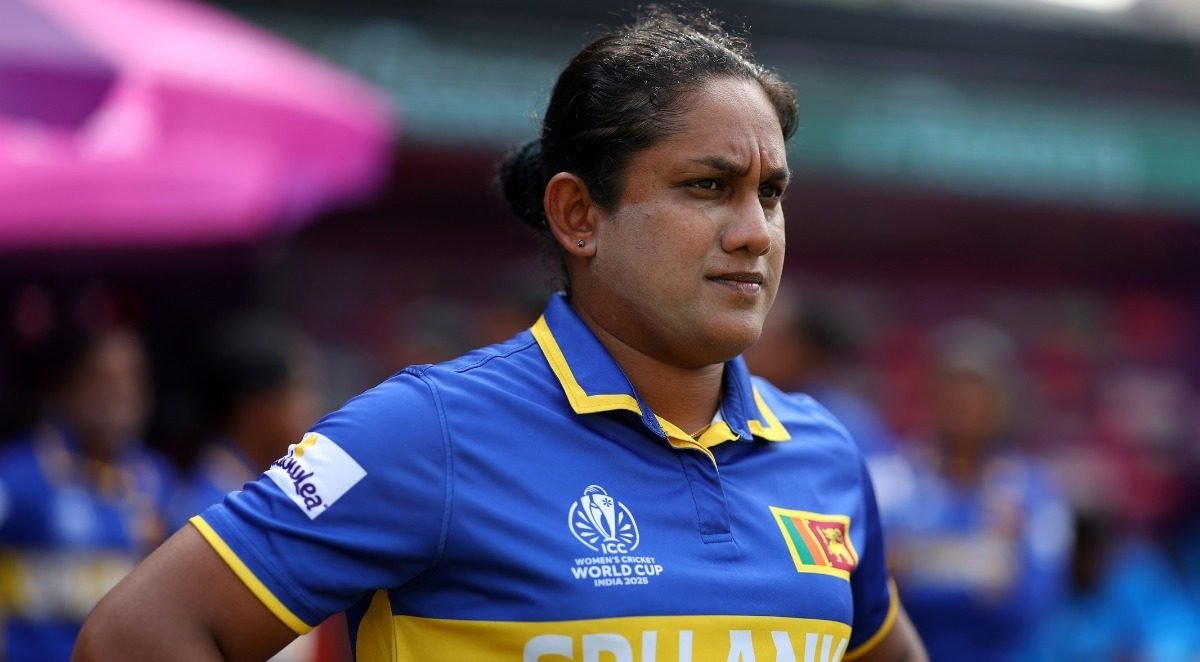
The International Cricket Council (ICC) has made a significant decision to strip Sri Lanka of its hosting rights for the inaugural Women’s Champions Trophy, a move that underscores ongoing governance issues within the Sri Lanka Cricket (SLC) board. This tournament, initially set for June 2027, has now been rescheduled to February 2027, with India stepping in as the new host.
The Women’s Champions Trophy was part of the ICC's broader initiative to expand women's cricket globally, following the revival of the men's version of the tournament, which had been discontinued after 2017. Sri Lanka was selected as the host, marking the first time since 2012 that the SLC was granted sole hosting rights for a women's ICC tournament. However, the lack of timely updates regarding the qualification process and tournament schedule raised concerns among stakeholders.
In June 2026, the ICC announced that the tournament would commence four months earlier than initially planned. The sudden change in schedule has had a ripple effect, impacting other series, including Australia’s February-March series against New Zealand, and a planned ODI series between England and Sri Lanka. The English and Sri Lankan boards are currently negotiating to reschedule this series, further complicating the cricket calendar.
As the tournament approaches, the ICC finally revealed the qualification pathway, stating that the top five teams in the ICC T20I rankings as of July 6, 2026, would qualify alongside Sri Lanka as the host nation. However, with Sri Lanka now stripped of its hosting rights, the team will still participate as the sixth team, having narrowly edged past the West Indies in the rankings following crucial victories over Ireland and Scotland.
The decision to remove Sri Lanka as hosts stems from the precarious governance situation within the SLC. Earlier this year, the Sri Lankan government appointed a Transformation Committee to oversee SLC operations, which has led to a suspension of the electoral process for board members. The ICC does not recognize politically appointed administrations, which has resulted in SLC representatives being absent from ICC board meetings since the committee's formation.
This governance issue is not new for Sri Lanka cricket. Past instances of government interference have led to strained relations with the ICC, including a request from former SLC president Shammi Silva for the ICC to suspend the board due to such interference. The ICC's decision reflects its ongoing insistence on proper governance structures within member boards, which has historically led to punitive measures against SLC.
The ICC's announcement of India as the new host raised eyebrows, particularly given the limited time frame for organizing the tournament. India’s proposal to host the event in Mumbai and Vadodara was accepted, despite Vadodara’s long absence from hosting women’s T20 internationals. This decision highlights the ICC's ongoing challenges in managing women's cricket tournaments effectively, as they often receive less attention and planning compared to men's events.
In conclusion, the ICC's handling of the Women’s Champions Trophy and the governance issues within Sri Lanka Cricket reveal a troubling pattern regarding the treatment of women's events in international cricket. While the ICC aims to promote women's cricket through annual marquee events, the lack of forward planning and organizational consistency raises questions about the future of women's tournaments. As the cricketing world looks ahead to the 2027 Women’s Champions Trophy, it remains to be seen how these challenges will be addressed to ensure a more stable and supportive environment for women’s cricket.



Leave a Comment