

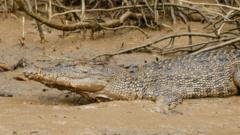
The Fitzroy River in Queensland, Australia, has been officially designated as a venue for the upcoming 2032 Olympic Games. This selection comes with its own set of challenges, particularly regarding the river's notorious inhabitants—crocodiles. With an estimated population of 500 crocodiles residing in the river, safety concerns have been raised about hosting events in this aquatic environment.
As the Olympic Games approach, the International Olympic Committee (IOC) and local organizers are tasked with ensuring the safety of athletes and spectators alike. The Fitzroy River, known for its picturesque landscapes, is also home to a diverse ecosystem, which includes not only crocodiles but also various fish species and other wildlife. The presence of these reptiles has sparked discussions about the feasibility of using the river for Olympic events, particularly those that involve water activities.
Local authorities are reportedly exploring various measures to mitigate risks associated with crocodiles. This includes potential strategies for monitoring and managing the crocodile population during the Games. The Queensland government has expressed its commitment to ensuring a safe environment for participants and visitors, emphasizing that thorough assessments will be conducted as the event approaches.
The decision to utilize the Fitzroy River aligns with the broader goals of the 2032 Olympics, which aim to showcase Australia’s natural beauty and promote sustainable practices. However, the challenges posed by the river's wildlife highlight the complexities of organizing such a large-scale international event. As the Games draw nearer, the focus will be on balancing the excitement of Olympic competition with the need for safety and environmental stewardship.
In addition to crocodile concerns, the Fitzroy River is also subject to environmental scrutiny. The river's health and the surrounding ecosystem will be critical considerations in the lead-up to the Olympics. Stakeholders are urged to collaborate on strategies that protect both the river's wildlife and the integrity of the Olympic events.
As preparations continue, the selection of the Fitzroy River serves as a reminder of the unique challenges faced by host cities in accommodating the Olympic spirit while respecting local ecosystems. The 2032 Games promise to be a showcase of athletic excellence, but the path to achieving this goal will require careful planning and consideration of all factors, including the river's crocodile population.


Leave a Comment