
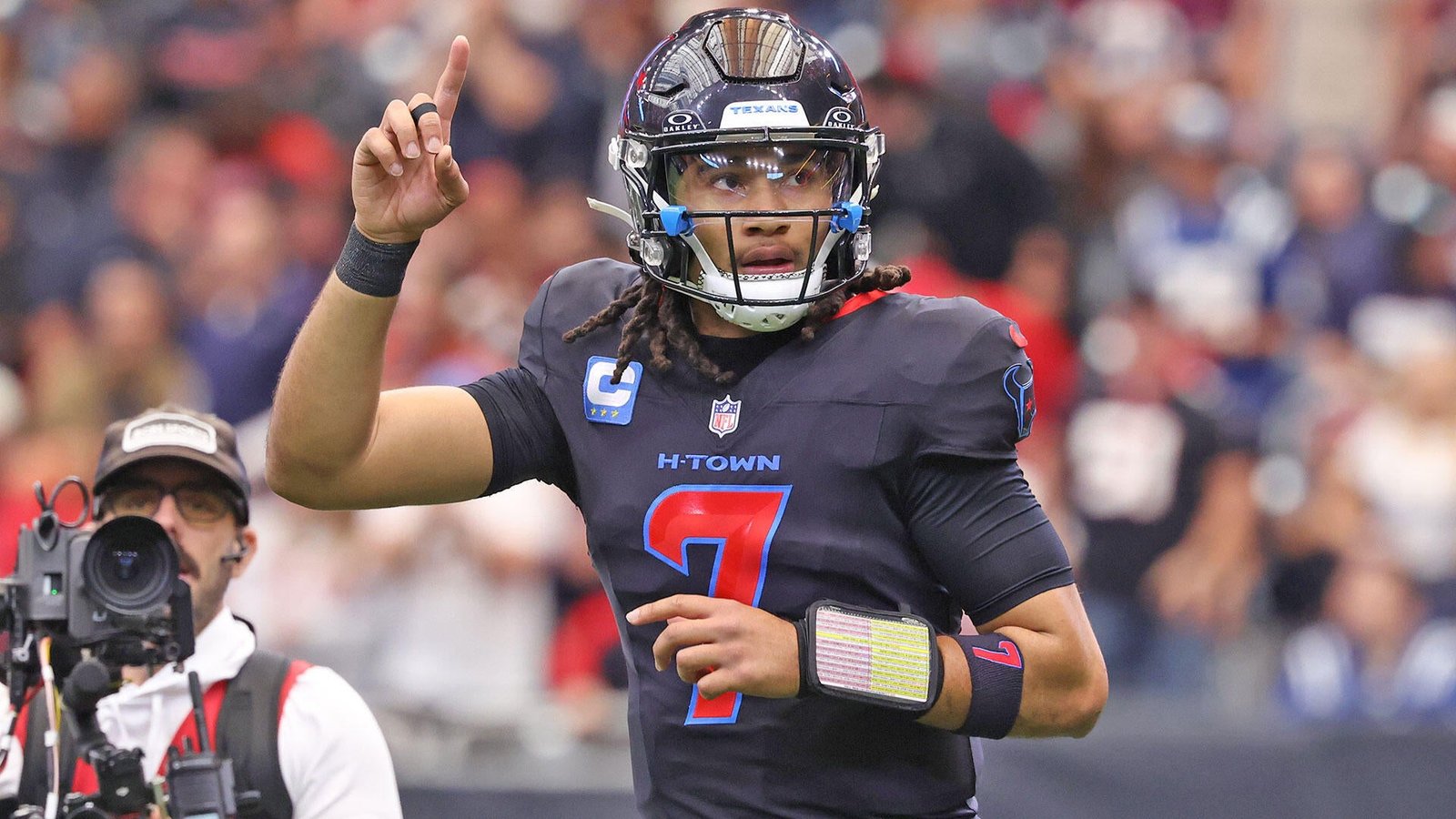
As fantasy football enthusiasts gear up for the upcoming season, understanding the intricacies of drafting quarterbacks in a 12-team Superflex league becomes crucial. In these formats, where managers can start two quarterbacks, the strategy surrounding the position can significantly impact a team's success. This article explores three different quarterback drafting strategies, each with its own set of risks and rewards.
The first strategy involves prioritizing an elite quarterback early in the draft. Managers who adopt this approach often aim to secure a top-tier signal-caller within the first few rounds. The rationale behind this tactic is straightforward: elite quarterbacks tend to provide a consistent and substantial point output, which can set the tone for a fantasy roster. Players like Patrick Mahomes or Josh Allen, known for their high-scoring capabilities, are often the focal points of this strategy. However, the downside is that drafting a quarterback early means sacrificing valuable picks that could be used to bolster other key positions, such as running back or wide receiver.
Conversely, some fantasy managers opt for a wait-and-see approach, delaying their quarterback selection until the later rounds. This strategy allows them to load up on skill position players early, potentially creating a more balanced and robust roster. In a 12-team Superflex league, the depth of available quarterbacks can often lead to solid options being available in the middle to late rounds. Managers employing this strategy may find themselves drafting a reliable starter like Kirk Cousins or Derek Carr, who can still provide respectable production without the early-round investment. However, the risk here lies in the possibility of missing out on the top-tier quarterbacks, which could put a team at a disadvantage in a high-scoring league.
The third strategy combines elements of both approaches, advocating for a hybrid method. This involves selecting one quarterback early while still maintaining the flexibility to grab a second signal-caller in the later rounds. By doing so, managers can secure a reliable starter while also capitalizing on the depth available in the later rounds. This strategy can provide a solid foundation, allowing for a competitive edge without fully committing to either extreme. However, it requires careful planning and a keen understanding of the draft flow to ensure that a second quarterback is still available when needed.
Ultimately, the choice of strategy depends on individual preferences and league dynamics. Each approach carries its own pros and cons, and understanding these nuances can help managers make informed decisions. As the fantasy football landscape continues to evolve, adapting to the changing dynamics of quarterback performance and availability will be essential for success in 12-team Superflex drafts.

Leave a Comment