
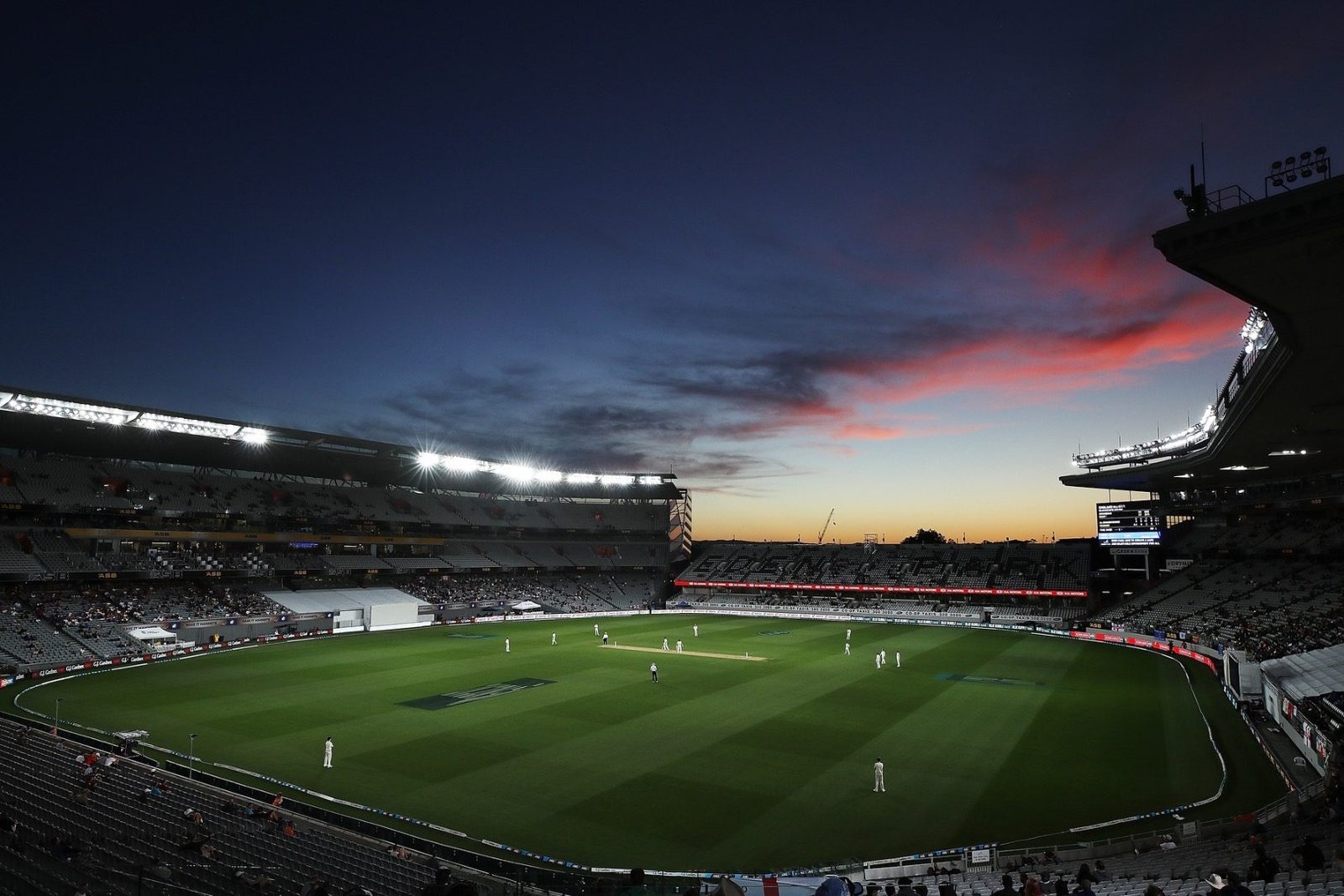
Cricket, a sport steeped in tradition, is played on grounds that can differ widely in both shape and size across the globe. This variety is not merely a matter of aesthetics; it reflects a rich tapestry of history, geography, and cultural practices that have shaped the game over centuries.
One of the primary reasons for the differences in cricket ground dimensions is the historical context in which the game developed. In the early days of cricket, matches were played in open fields or common areas, leading to a range of ground shapes that were often dictated by the available space. As the sport gained popularity, dedicated cricket grounds began to emerge, but many retained the irregularities of their predecessors.
Geography also plays a crucial role in determining the layout of cricket fields. For instance, the iconic Lord's Cricket Ground in London is known for its unique slope, which is a result of the natural topography of the area. This slope can influence gameplay, particularly in terms of how the ball behaves when bowled or hit. Similarly, other grounds may have features such as hills, trees, or buildings that dictate their design and layout.
Cultural factors further contribute to the diversity of cricket grounds. In countries where cricket is a major sport, such as India, Australia, and England, the grounds have been tailored to meet the needs of both players and spectators. For example, the Melbourne Cricket Ground (MCG) is one of the largest cricket venues in the world, designed to accommodate large crowds and to enhance the viewing experience, while also adhering to international standards.
Moreover, the International Cricket Council (ICC) has established specific regulations regarding the dimensions of cricket fields to ensure consistency in international matches. According to ICC rules, the boundary must be a minimum of 55 yards (50 meters) from the center of the pitch, but there is no maximum limit, allowing for a variety of configurations. This flexibility means that while some grounds might conform to traditional oval shapes, others can be more rectangular or even irregular.
In addition to the physical dimensions, the playing surface itself can vary significantly, influencing how the game is played. Some grounds feature grass pitches that offer more bounce and pace, while others may have dry, dusty surfaces that favor spin bowlers. These variations can lead to different strategies and styles of play, making each ground a unique challenge for teams.
Ultimately, the differences in cricket ground shapes and sizes around the world add to the charm of the sport. They create a unique environment for players and fans alike, ensuring that no two matches are ever the same. As cricket continues to evolve, the diverse characteristics of its playing fields will remain an integral part of its identity.



Leave a Comment