
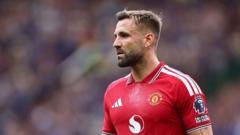
In a summer filled with speculation and anticipated transfers, Manchester United has made a notable decision by choosing not to acquire a new left-back. This choice has left many fans and analysts pondering the implications for the team as they head into the new season.
Historically, Manchester United has been known for their robust defensive line, and the left-back position has often been a focal point for strengthening. With the departure of Luke Shaw due to injury concerns and the uncertainty surrounding other players in that position, the expectation was that the club would prioritize signing a left-back to bolster their defense. However, the club's decision to forgo this move suggests a different strategy at play.
United has instead opted to rely on their existing squad, including players like Tyrell Malacia, who joined the team last summer, and the versatile Victor Lindelöf, who can also fill in at left-back if necessary. This reliance on current players indicates a belief in their potential to step up and perform at a high level, especially as the team aims to compete in both domestic and European competitions.
The decision not to sign a left-back also reflects Manchester United's broader financial strategy. With the club still navigating the aftermath of previous financial missteps, the management may be focusing on balancing the books while investing in other areas of the squad that require more immediate attention. This could include strengthening the midfield or adding depth to the attacking line, which has been a point of concern in recent seasons.
Moreover, the club's coaching staff, led by Erik ten Hag, may have confidence in the tactical flexibility of their current players. Ten Hag's philosophy emphasizes adaptability and the ability to play multiple roles, which could be a factor in the decision to hold off on signing a left-back. This approach allows for a more fluid style of play, which has been a hallmark of Ten Hag's previous teams.
As Manchester United embarks on the new season, the decision to not pursue a left-back raises questions about their defensive strategy. The team's performance in the early matches will be closely scrutinized, particularly how they manage injuries and player form in that crucial position. If the existing players can rise to the occasion, the gamble may pay off, but any missteps could lead to renewed calls for reinforcements in the January transfer window.
Ultimately, Manchester United's choice not to sign a left-back this summer is a calculated risk that reflects their current priorities and long-term vision. As the season unfolds, fans and analysts alike will be watching closely to see how this decision impacts the team's performance in both the Premier League and international competitions.


Leave a Comment