
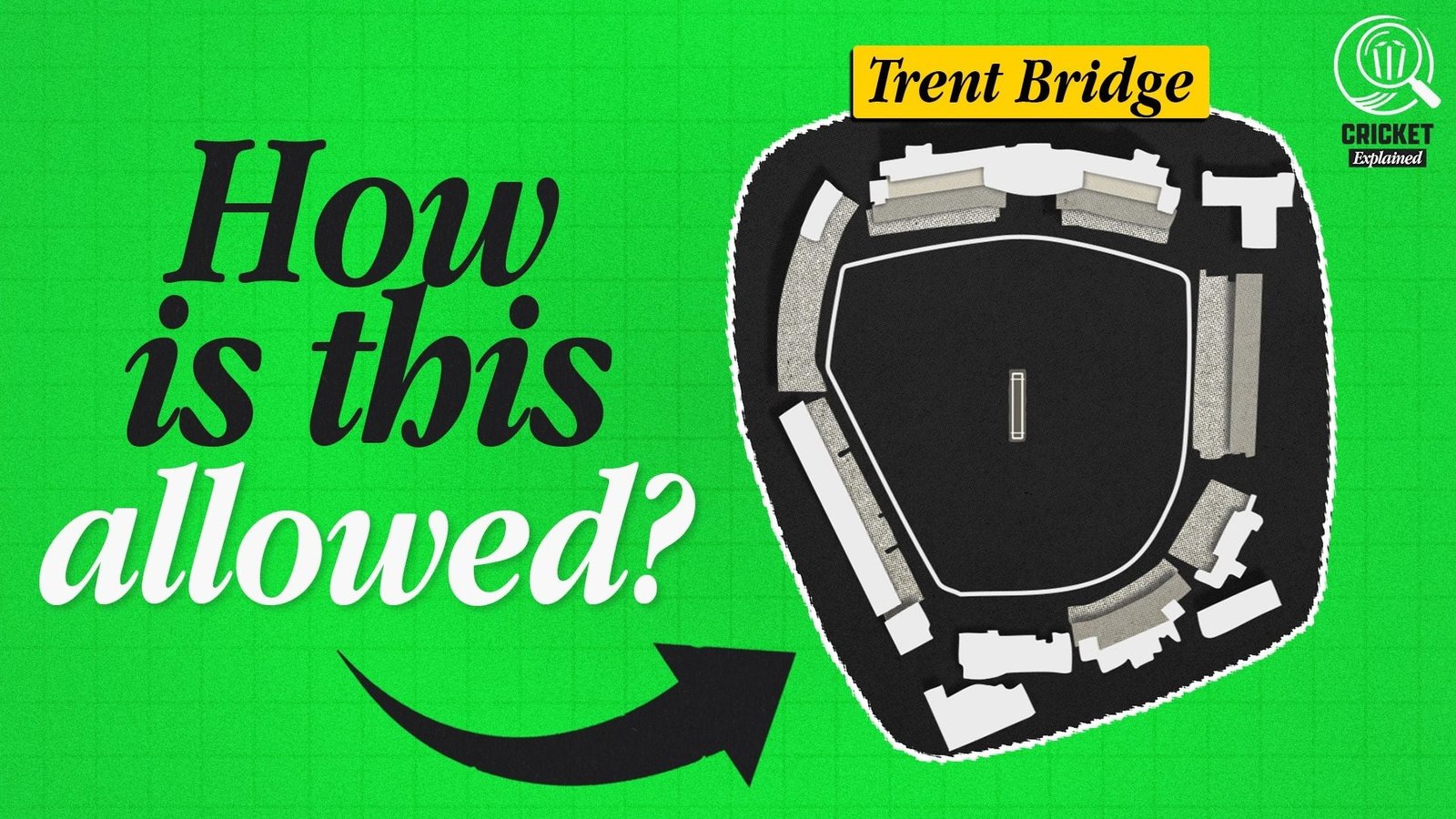
Cricket is a sport rich in tradition and variety, and one of the most intriguing aspects is the diversity in the shapes and sizes of cricket grounds across the globe. In a recent exploration, Harrison Foote delves into the factors that contribute to these differences, particularly focusing on boundary distances, outfield shapes, and the regulations that define what constitutes a cricket playing area.
One of the key questions raised is: what are the actual size regulations for a cricket ground? According to the International Cricket Council (ICC), there are specific guidelines that dictate the minimum and maximum dimensions of a cricket field. For instance, the distance from the center of the pitch to the boundary can vary significantly, with a minimum of 55 yards (50 meters) and a maximum of 90 yards (82 meters) being allowed. This variability can lead to unique playing conditions that affect how the game is played.
The shape of the ground also plays a crucial role in the dynamics of the match. While many cricket grounds are oval or circular, some have irregular shapes that can influence gameplay. For example, the iconic Lord's Cricket Ground in London has a distinctive slope that can affect ball movement, while the Adelaide Oval in Australia is known for its unique dimensions that challenge players in different ways.
These differences are not merely aesthetic; they can significantly impact match strategies and outcomes. Teams often tailor their game plans based on the specific characteristics of the ground they are playing on. For instance, a ground with shorter boundaries may encourage more aggressive batting, while a larger ground might favor bowlers who can exploit the extra distance.
Furthermore, the historical context of each ground adds another layer of complexity. Many cricket grounds have been in use for over a century, and their designs often reflect the cultural and geographical influences of their locations. This historical significance can enhance the experience for players and fans alike, making each venue unique.
In conclusion, the variability in cricket ground shapes and sizes is a fascinating aspect of the sport that goes beyond mere aesthetics. It encompasses a range of factors, from regulatory guidelines to historical context, all of which contribute to the rich tapestry of cricket as we know it today. Understanding these differences can deepen appreciation for the game and its diverse playing environments.



Leave a Comment